Breaking Myths, Building Confidence: Menstrual Health & Wellbeing Awareness Program
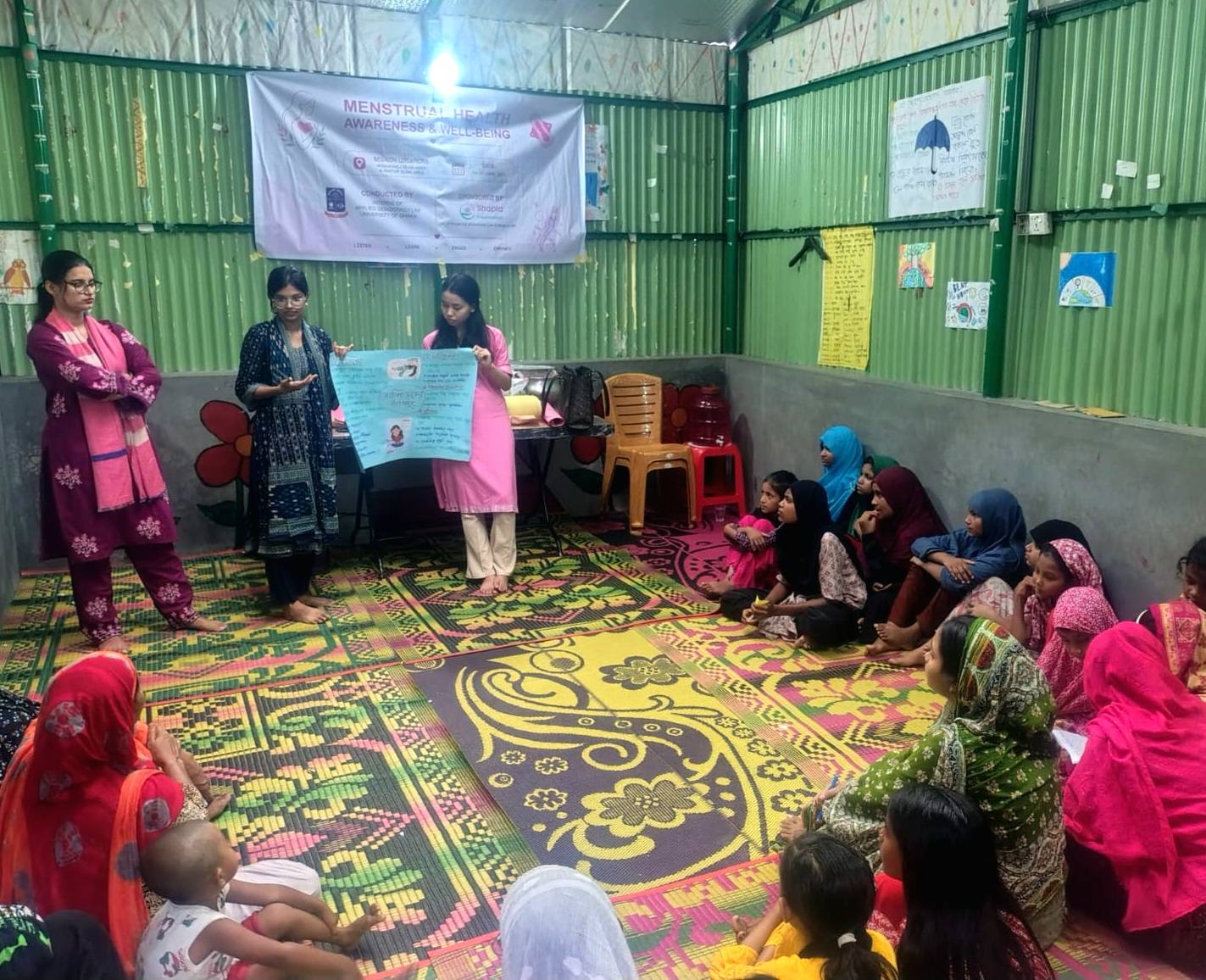
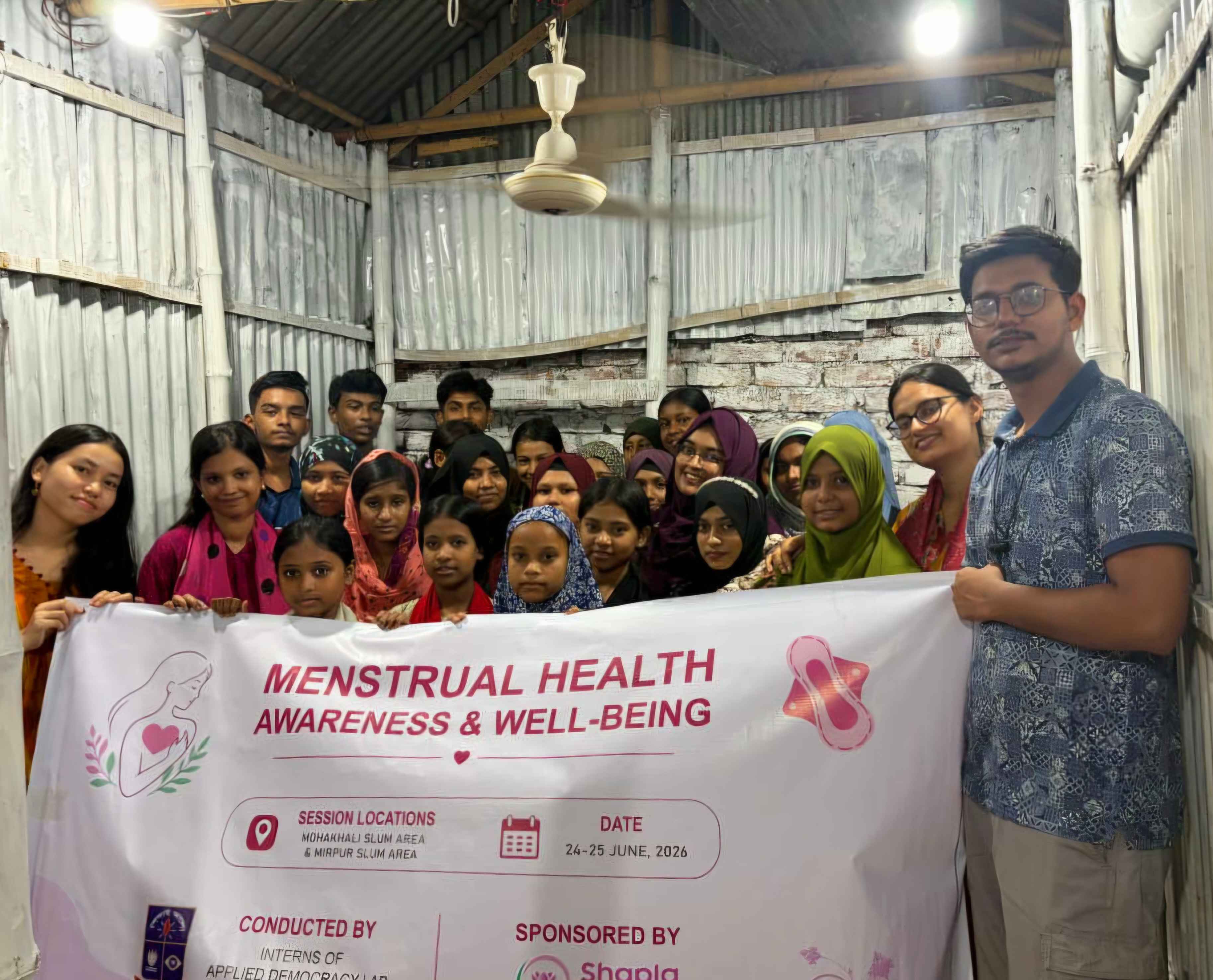
At Shapla Foundation, we believe that education goes beyond textbooks. It includes providing children with the knowledge and confidence they need to make informed decisions about their health and well-being. With this goal in mind, we recently organized a Menstrual Health & Wellbeing Awareness Program for our sponsored kids in collaboration with the Applied Democracy Lab, University of Dhaka.
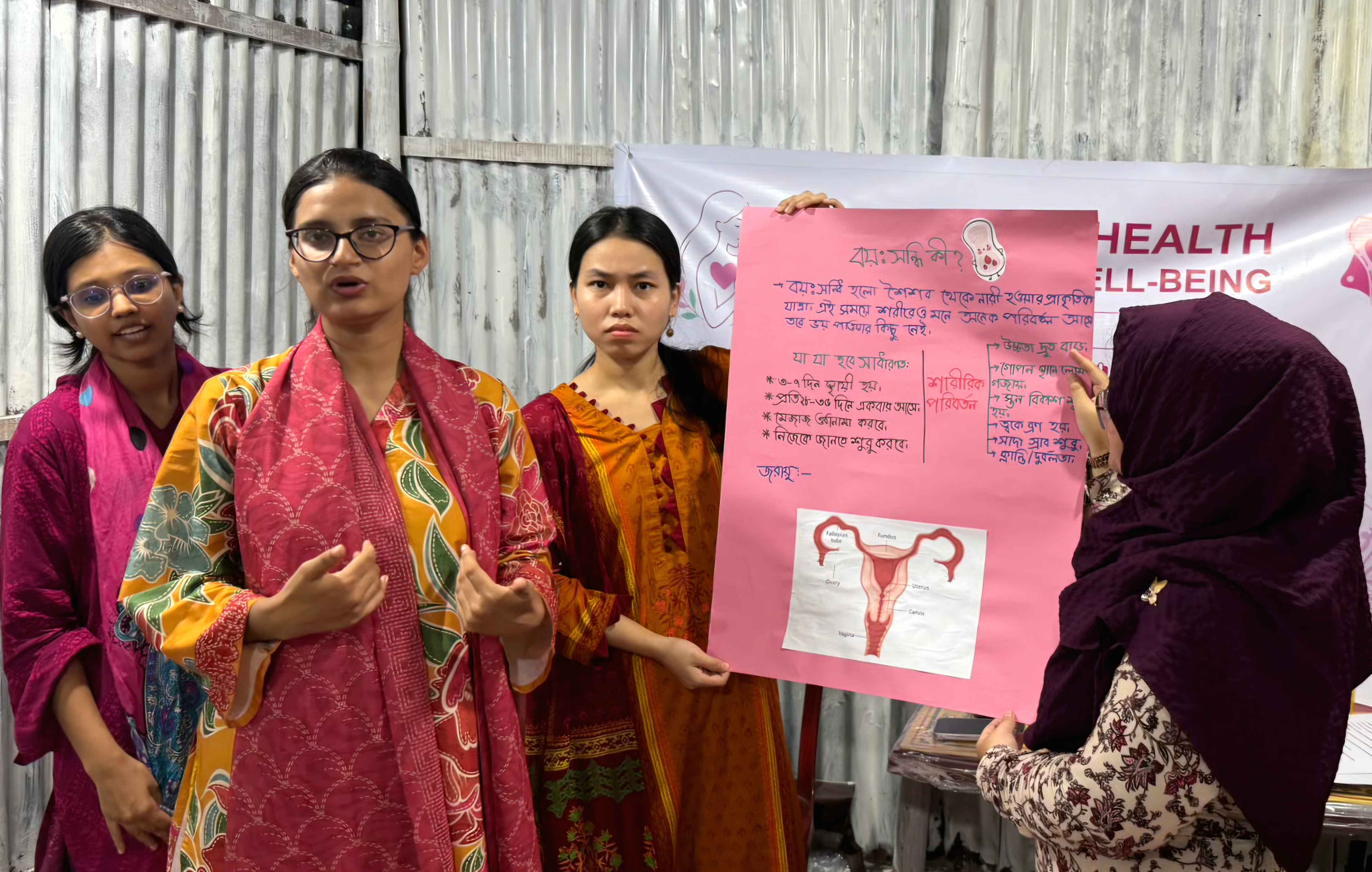
The session focused on menstrual health, menstrual hygiene, personal hygiene, puberty, common myths, taboos, and misconceptions surrounding menstruation. Many adolescents grow up with limited access to accurate information on these topics, which often leads to confusion, fear, and stigma. This program aimed to address those challenges by creating a safe and supportive environment where participants could learn, ask questions, and openly discuss their concerns.
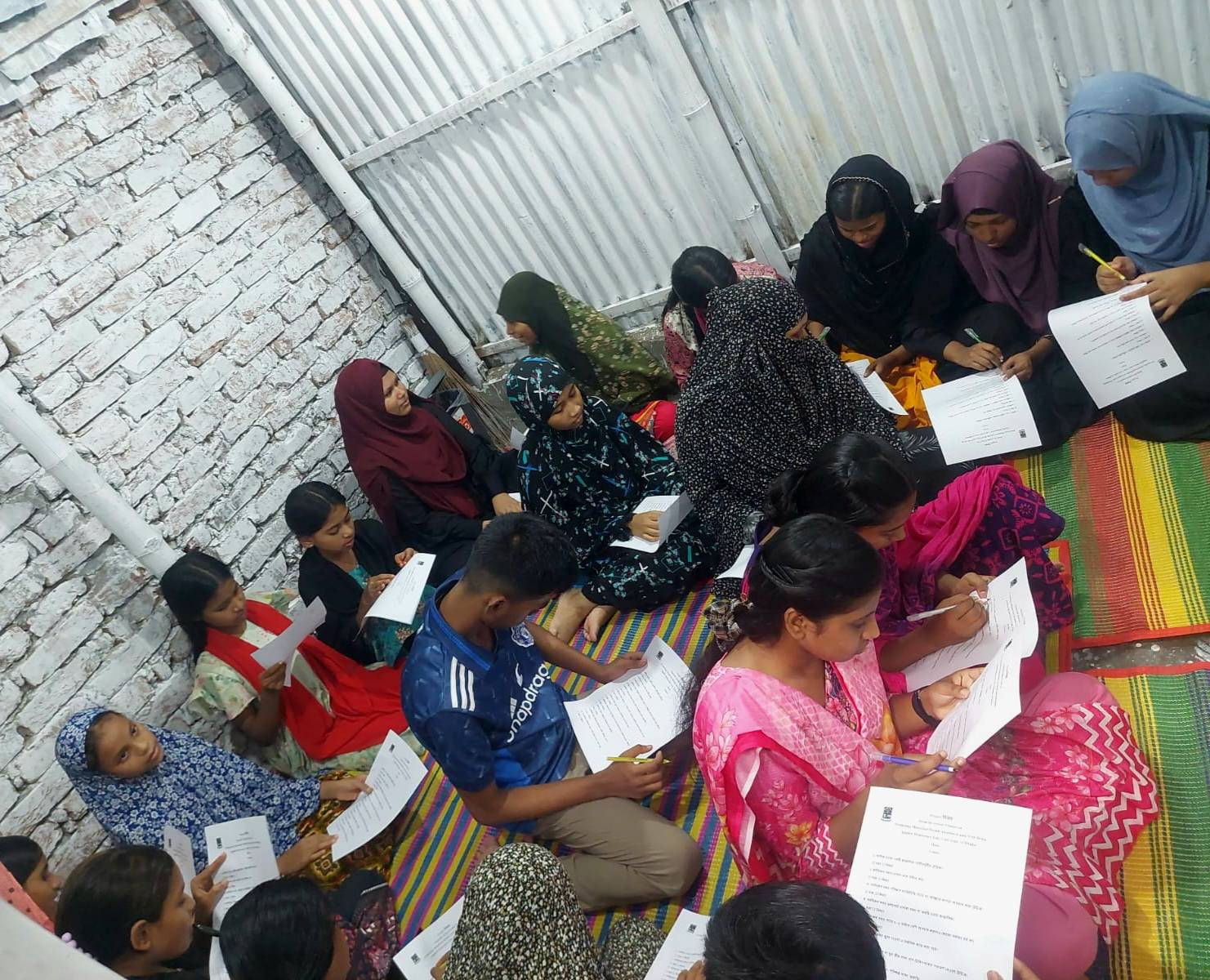
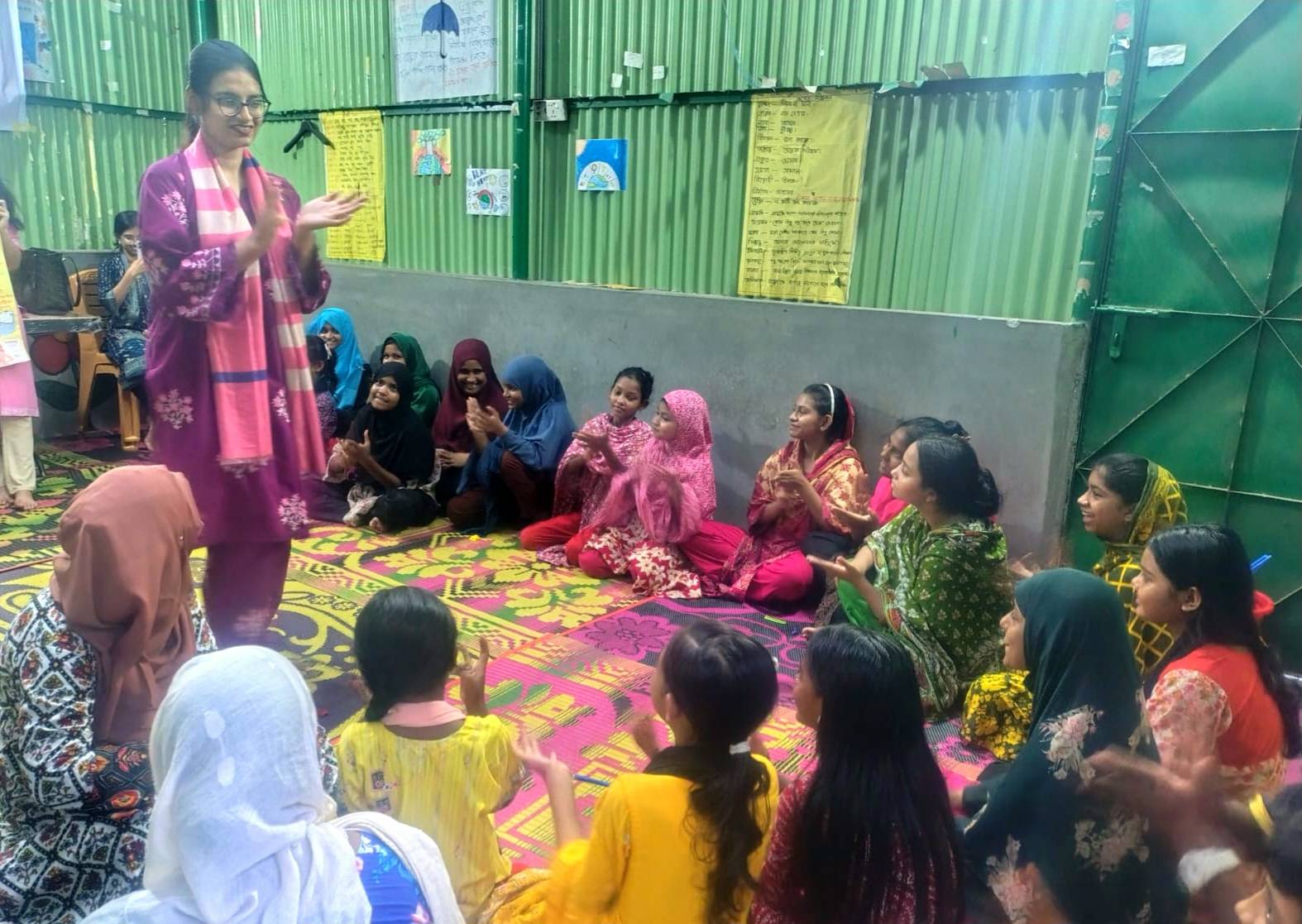
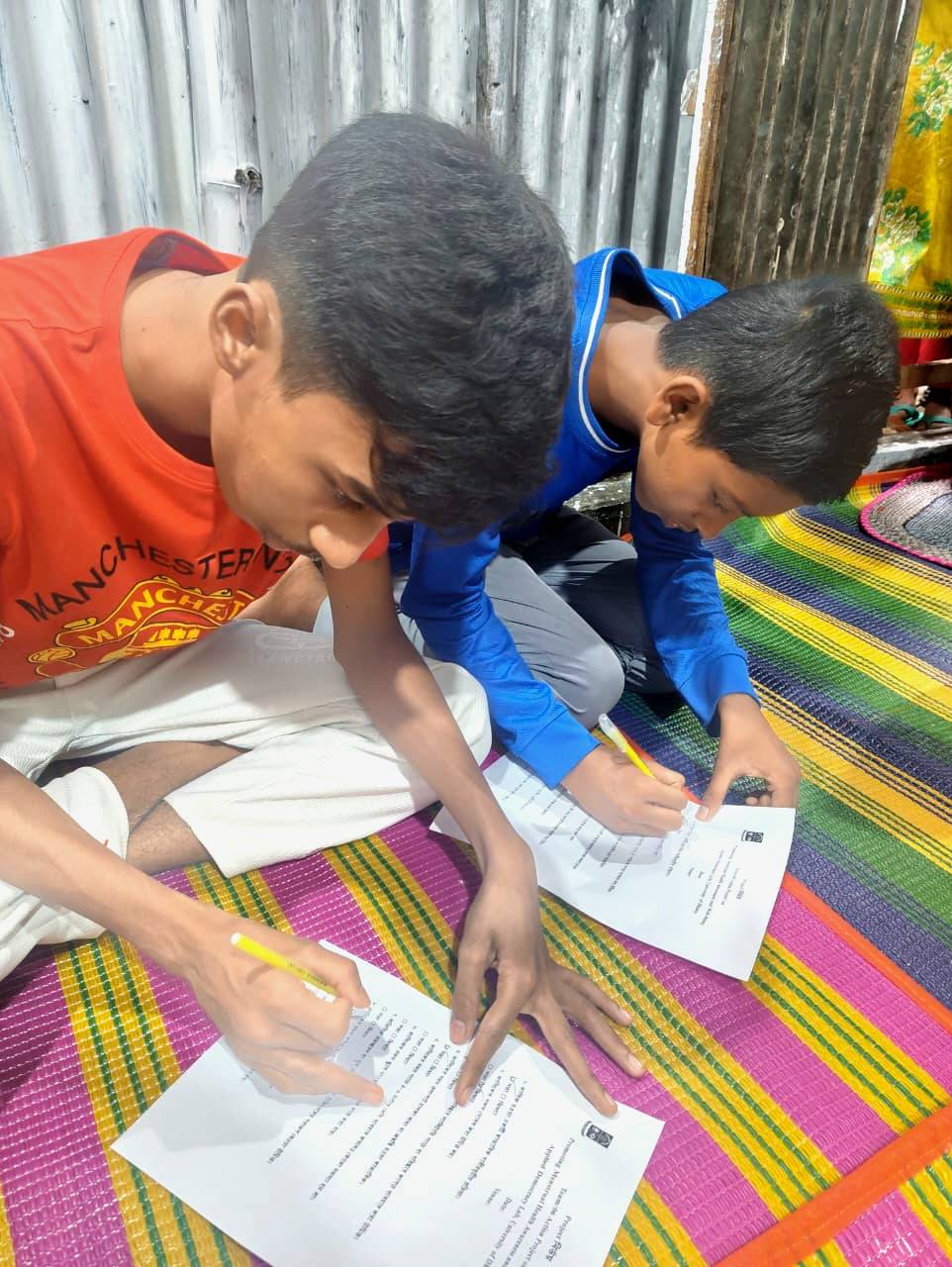
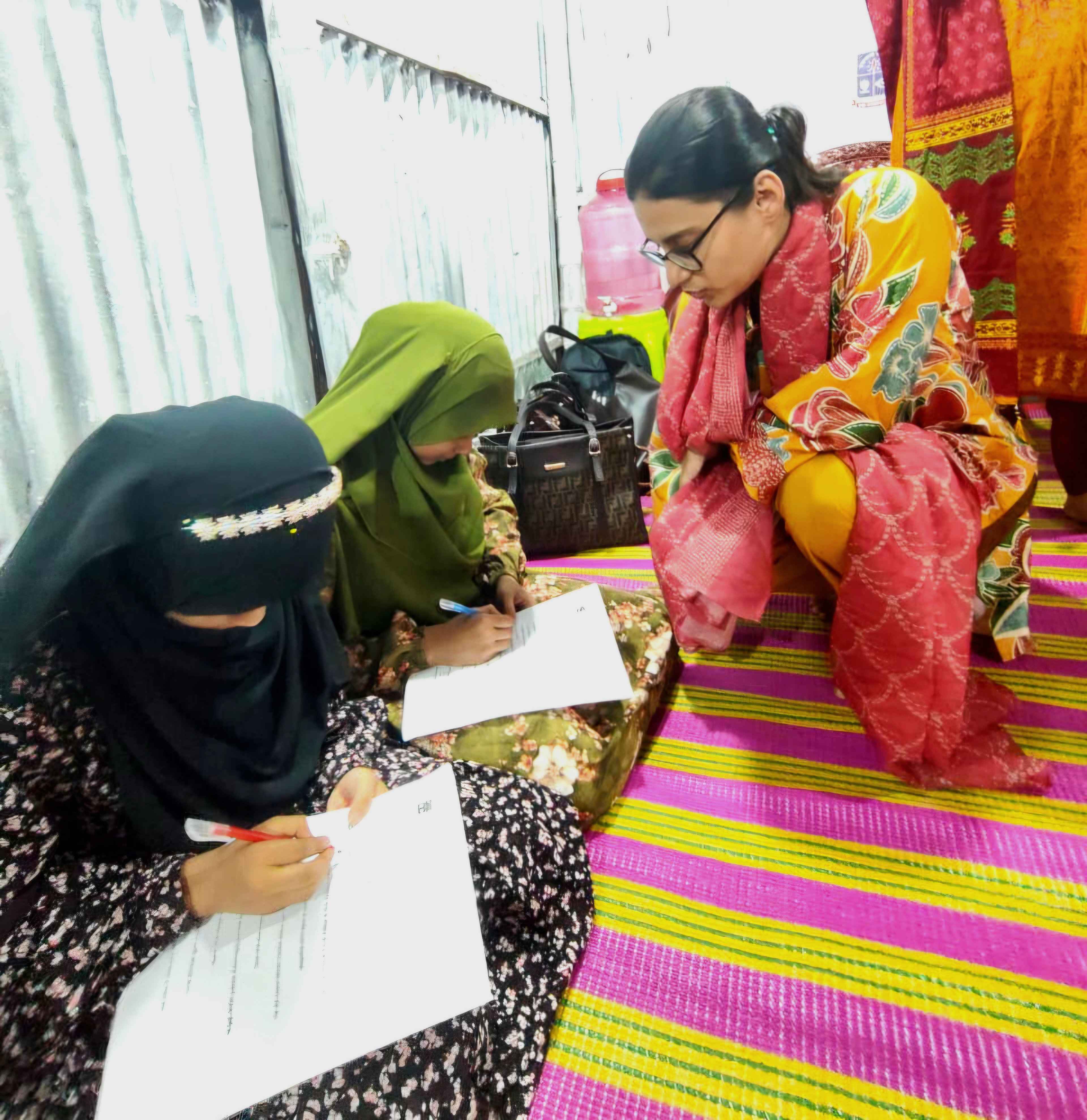
The facilitators began the program with a pre-session survey to understand the participants’ existing knowledge and perceptions regarding menstruation and related topics. The results revealed several common misconceptions and gaps in understanding. Following the survey, the team conducted an interactive and informative session covering various aspects of menstruation, the importance of maintaining proper hygiene, emotional and physical changes during puberty, and ways to manage menstrual health safely and confidently.
After the session, the participants completed another survey to assess what they had learned. The comparison between the two surveys showed a significant improvement in knowledge and awareness, with many misconceptions successfully addressed and clarified.
One of the most encouraging aspects of the program was the active participation of the kids. They engaged enthusiastically in discussions, asked thoughtful questions, and shared their concerns. Their positive feedback reflected how valuable and informative they found the session, with many expressing that they had learned important facts they had never known before.
Through this initiative, participating students gained accurate information and practical knowledge about adolescence, menstrual hygiene, personal hygiene, and the physical and emotional changes that occur during puberty. More importantly, they left the program feeling more confident, informed, and empowered.
We strongly believe that awareness and education are powerful tools for breaking myths, reducing stigma, and creating a healthier future for young people. We are grateful to the Applied Democracy Lab, University of Dhaka, for partnering with us in this important initiative and helping us support the well-being and development of our sponsored children.
Testimonials of Shapla Foundation
Being a parent is very emotionally rewarding. When my child accomplishes a milestone, the feeling is indescribable and incomparable. If there is any feeling close to such, I would say it’s the feeling I get every time I open a letter from my child that I sponsor through Shapla Foundation. Dare I say, there are few things that are more rewarding than seeing the smile on these kid’s faces. Shapla Foundation has created an amazing and smooth process that allows its sponsors to monitor the breathtaking achievements of the kids.

Owner, Dalworth Restoration
I believe no one can help everyone, but everyone can help someone. Thanks to Shapla Foundation I have found the someone I feel proud to help. These kids are really the future and I’m content knowing that I’m doing my part to build a brighter future. Through the program we can really see that these kids try their best given their difficult circumstances; they have a willingness to grow themselves and all they need is a pat on the back from us.

CMO, Central Station Marketing